Science


Natural Selection vs. Artificial Selection: Key Differences
Natural selection is the process in which heritable traits become more or less common because they affect survival and reproduction in a given environment. Artificial selection is the process in which humans choose which plants, animals, or other organisms reproduce because those organisms have traits people prefer. Both processes can change populations over generations, but the main difference is the source of selection pressure: the…

The Nervous System: Brain, Spinal Cord, and Nerves Explained
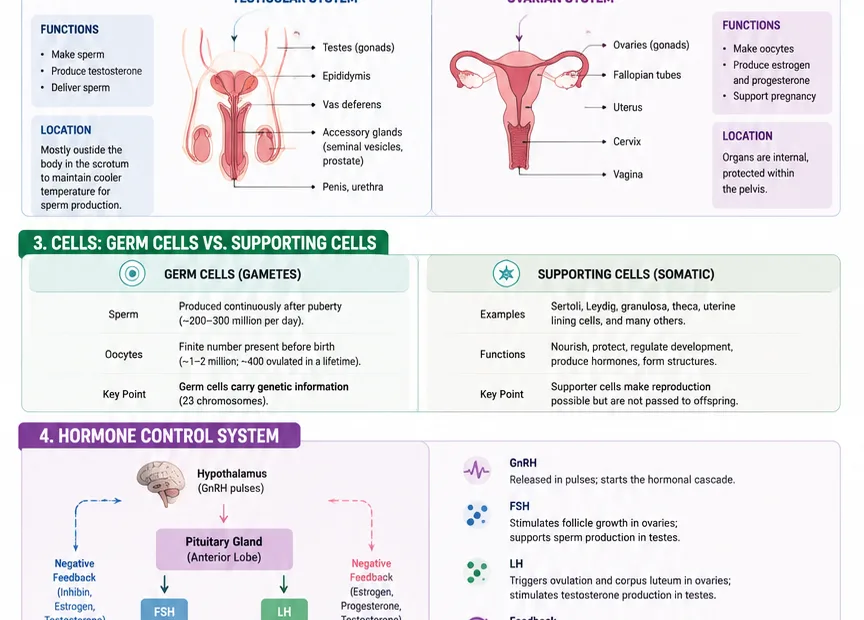
The nervous system is the body’s fast communication and control system. It includes the brain, the spinal cord, and the nerves that carry messages between the central control centers and the rest of the body. These messages help the body sense, move, breathe, balance, learn, react, and keep internal conditions steady. The Core Idea in Plain English The nervous system has two main anatomical parts:…

Protein Synthesis: How DNA Instructions Build Proteins
Protein synthesis is the cell process that turns DNA instructions into proteins. A protein-coding gene is first copied into messenger RNA, and that RNA is then read by a ribosome to join amino acids in the right order. In many school explanations, “protein synthesis” means the full route from DNA to RNA to protein; in a narrower molecular biology sense, it mainly refers to the…